Restoring Brain & Gut Health from the Inside Out

IT'S TIME TO HEAL
The Brain-Body Connection
How Health, Lifestyle, and Nutrition Affect Learning, Mood, and Family Well-being.
When a child struggles with
FOCUS, MOOD, or LEARNING,
most parents are told to look only at academics.

But many families sense there may be more going on.
A child’s ability to concentrate, regulate emotions, stay motivated, and engage in school is deeply connected to what is happening inside their body.
Things like nutrition, sleep, gut health, stress, and inflammation all influence how the brain functions.
When these systems are out of balance, children may experience challenges with:
• Focus and attention
• Mood and emotional regulation
• Energy and motivation
• Digestive discomfort
• Brain fog
• Academic frustration
Supporting a child’s health from the inside out can often make a meaningful difference in how they feel, learn, and engage with the world.
What Parents Often Notice
Signs the Brain and Body May Need Support
Many parents come to me after noticing things like:
• A child who struggles to focus or stay organized
• Frequent stomachaches or digestive complaints
• Mood swings, irritability, or anxiety
• Fatigue or low motivation
• Difficulty with memory or processing information
• Feeling overwhelmed by school
These challenges are often approached from an academic or behavioral perspective alone, but the body and brain function as a single integrated system.
When we begin to also consider health factors, possibilities for support can emerge.

The Science Behind Brain & Gut Health
What Research is Showing
A growing body of research in neuroscience, nutrition, and microbiome science highlights how lifestyle factors influence brain health.
Studies have shown connections between life success and physical health. Scientists now recognize the gut–brain axis, a communication network linking the digestive system and the brain. Supporting these systems may play an important role in both emotional well-being and cognitive performance.

Gut Microbiome Balance and Mood Regulation

Omega-3 fatty acids and cognitive development

Blood Sugar Stability and Attention

Sleep Quality and Memory Consolidation
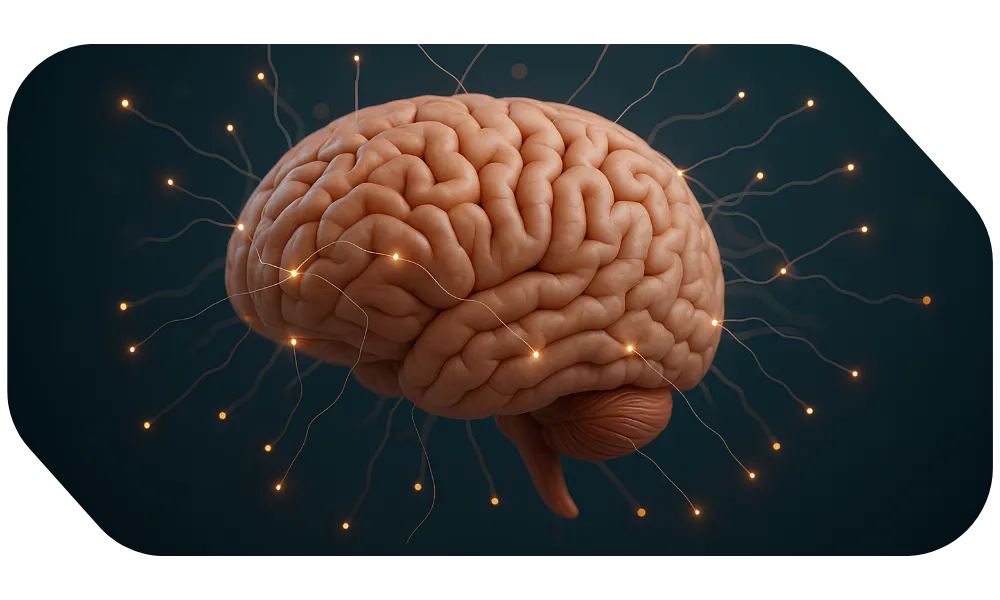
Chronic Brain Function and Inflammation

Micronutrient Status and Cognitive Performance
Lifestyle Factors That Affect Learning
The Foundations of Brain Health

Children's brains requires the environment to thrive. Some of the most important factors include:
Nutrition
The brain requires stable blood sugar, healthy fats, vitamins, and minerals to support focus, memory, and emotional regulation.
Gut Health
A healthy digestive system helps regulate inflammation, immune balance, and neurotransmitter production.
Sleep
Sleep is essential for learning and memory consolidation. Poor sleep can significantly impact attention and emotional regulation.
Stress & Nervous System Health
Chronic stress can affect a child’s ability to concentrate, regulate emotions, and process information.
Movement
Physical activity supports circulation, brain oxygenation, and cognitive function.
When families support these foundational systems,
children often experience improvements in:
• Energy • Focus • Mood stability • Learning engagement • Overall well-being
Why This Matters for Families

When children struggle academically or emotionally, families often feel frustrated and unsure where to turn. But many parents are never taught how much lifestyle, nutrition, and health influence learning and behavior. Small changes in daily habits can have a powerful impact on a child’s ability to thrive. And these same factors influence adults as well.
Brain health affects:
• mood
• energy
• resilience
• relationships
• productivity
Supporting the brain and body benefits the entire family. When the family environment supports health, children can thrive academically and emotionally.
My Message as an Academic Coach and Dyslexia Specialist
For more than 20 years, I have worked closely with children who struggle with learning challenges, including dyslexia.
Over time, I began to notice a pattern that couldn’t be ignored—many of the difficulties I was seeing weren’t just academic. They were deeply connected to what was happening in the body.
I worked with students who had difficulty paying attention, who were impulsive, or who struggled to retain information from one day to the next. Some of my younger clients were going to bed late—sometimes not until 10:30 at night—and then expected to function early the next morning. Without adequate sleep, their brains simply didn’t have the opportunity to consolidate memory, making learning even more difficult.
I also saw how nutrition played a role. Many children were starting their day with high-sugar breakfasts and little to no protein or complex carbohydrates. By the time they arrived at school, they were already on a blood sugar rollercoaster—leading to fatigue, poor focus, and decreased cognitive performance. Learning slows down when the brain doesn’t have the steady fuel it needs.
And beyond the physical, I witnessed the emotional impact.

Some children would shut down completely—overwhelmed, ashamed, and afraid of getting something wrong. They would become stuck, almost paralyzed, unable to access what they knew. It wasn’t a lack of ability—it was a nervous system that felt unsafe, a brain that couldn’t fully engage under pressure.
At the same time, I was navigating my own health journey, living with Ulcerative Colitis—an autoimmune condition that deepened my understanding of how profoundly health affects daily life.
These combined experiences changed the way I see learning and health. They led me to explore integrative health and the powerful connection between gut health, brain function, lifestyle, and emotional well-being.
Because the truth is—
the gut impacts everything, especially the brain.
Today, my goal is to help individuals and families better understand these connections so they can support their health—and their children’s ability to learn, grow, and thrive—from the inside out.
Certifications & Accreditations
20+ Years Supporting Children with Learning Challenges
Certified Integrative Health Practitioner (IHP2)
Dyslexia Specialist
Certified Adventures in Wisdom Coach™
Health Wellness Educator
Frequently Asked Questions
Get answers to common questions about integrative health coaching
What is an Integrative Health Practitioner (IHP)?
As an IHP, I’m trained in both functional medicine and natural health to uncover and rebalance the underlying root causes of dis-ease—not just mask symptoms. I use lab testing, lifestyle guidance, and personalized protocols to support the whole person—body, mind, and spirit.
Do you work with clients virtually or in person?
Yes! I offer virtual consultations, so you can work with me from anywhere in the world. I also provide at-home lab testing kits shipped directly to you.
Do I need lab testing to work with you?
Not always.
While functional lab tests offer powerful insight into what’s happening beneath the surface, we can absolutely begin with a symptom-based approach and personalize your protocol as we go.
I use a combination of in-depth assessments and ongoing feedback to guide your healing journey—lab testing is highly encouraged, but never required.
How long will it take to see results?
Everybody is different. Some clients feel better within weeks, while others need several months to fully rebalance. My goal is lasting results, not quick fixes—so I focus on sustainable healing.
Can you help me if I’m already working with a doctor or on medication?
Yes! I work alongside your current care to support your healing naturally. I always recommend speaking with your prescribing doctor before adding or changing any supplements or wellness routines.
Have More Questions?
Healing doesn’t have to be confusing. If you’re wondering whether this approach is right for you, let’s connect. I’m happy to answer your questions and help you get clear on your next step.