
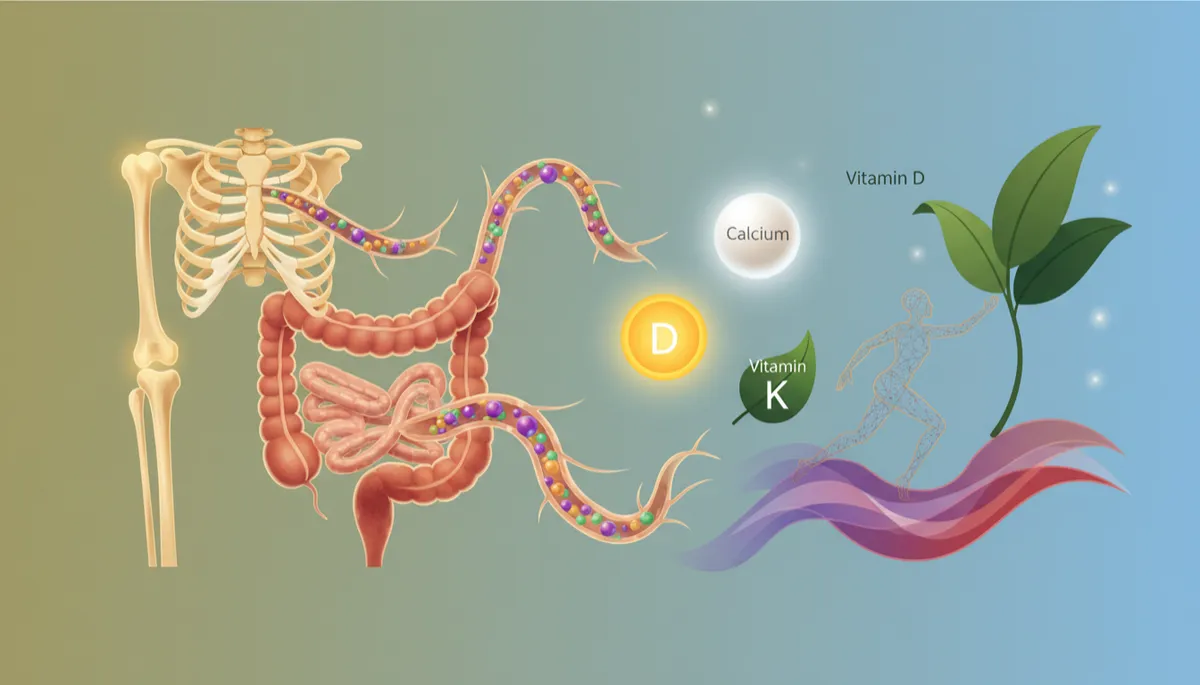
Gut and Bone Health: Unveiling the Hidden Connection
Gut Health, Bone Health, Inflammation, IBD
Your Bones and Your Gut: The Connection Most People Never Think About
If you live with ulcerative colitis, IBD, or you simply care about your digestion, you probably think a lot about your gut. But your gut is doing more than managing cramps, bloating, or bathroom trips—it is quietly shaping the strength of your bones, too.
How Gut Health Influences Bone Health
Bone health is not just about what you eat—it is about what you absorb and how your body uses it. Your gut acts as the “gatekeeper” for key bone nutrients. When it is inflamed, imbalanced, or damaged, your bones can pay the price, even if your diet looks good on paper.
People with inflammatory bowel diseases like ulcerative colitis and Crohn’s have a higher risk of low bone density and osteoporosis. That is not a coincidence—it is a reflection of the deep, two-way relationship between the gut and the skeleton.
Digestion and Nutrient Absorption: The First Step to Strong Bones
Effective digestion is essential for nutrient absorption. Your stomach acid, digestive enzymes, and intestinal lining all work together to break food down and move minerals and vitamins into your bloodstream. If any part of this process is disrupted—by chronic diarrhea, strictures, surgeries, or inflammation—your body may struggle to absorb:
Calcium – the main mineral that gives bones their hardness and structure
Vitamin D – helps your gut absorb calcium efficiently
Vitamin K – helps “lock” calcium into the bone matrix where it belongs
For anyone with IBD, supporting digestion is not only about symptom relief; it is a long-term investment in bone strength and fracture prevention.
Meet Your Gut Microbiome: Tiny Organisms, Big Impact on Bones
The gut microbiome—the trillions of bacteria, fungi, and other microbes living in your intestines—plays a surprisingly powerful role in bone metabolism. A diverse, balanced microbiome can:
Produce short-chain fatty acids that may support calcium absorption and help regulate bone-building cells
Influence hormones and signaling molecules involved in bone turnover
Help maintain the integrity of the gut barrier, reducing “leaky gut” –related inflammation
Dysbiosis—an imbalanced microbiome—has been linked in research to both gut inflammation and weaker bones. For those with ulcerative colitis and other IBDs, nurturing the microbiome may be one of the most powerful, yet underappreciated, strategies for protecting bone density over time.
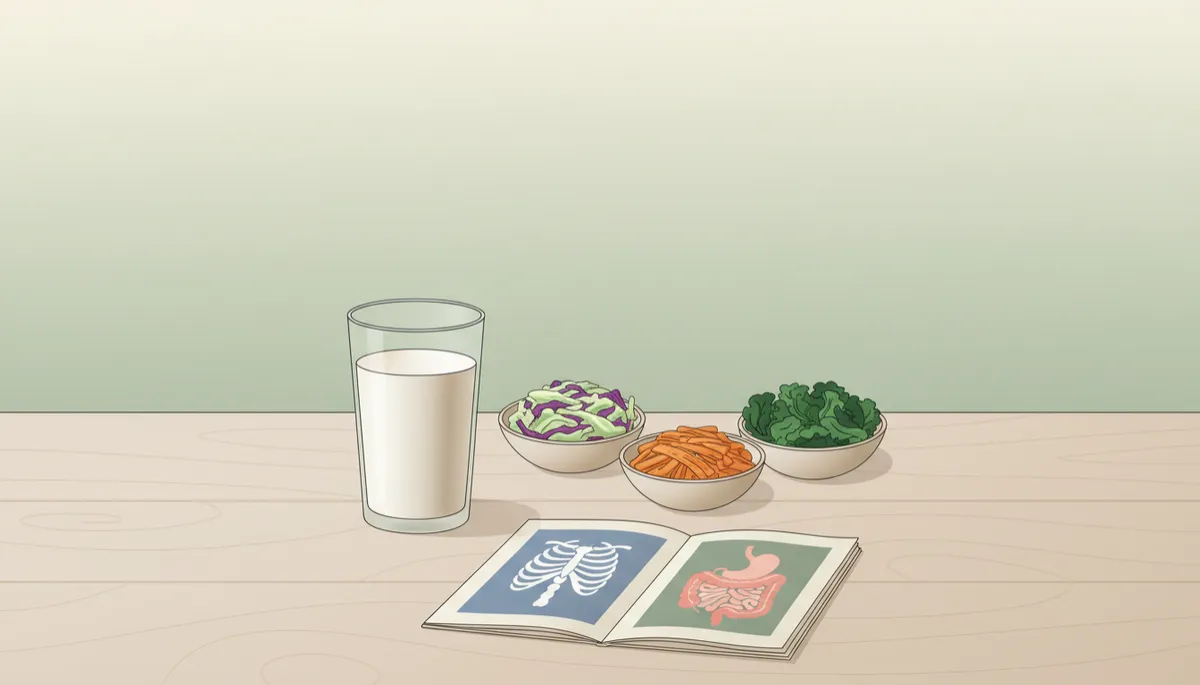
Fermented foods and leafy greens support both a healthy microbiome and resilient bones.
Inflammation: The Hidden Link Between IBD and Fragile Bones
Chronic inflammation is a hallmark of IBD—and a major threat to bone health. Inflammatory molecules circulating in the body can speed up bone breakdown and slow down bone formation. Over months and years, that imbalance can quietly erode bone density.
Medications commonly used for IBD, such as long-term corticosteroids, can further weaken bones. That makes inflammation control—not just symptom control—an essential part of any bone-protection plan for people with ulcerative colitis and related conditions.
💡 Key Takeaway: Calming gut inflammation helps protect your intestines today and your bones for years to come.
Calcium, Vitamin D, and Vitamin K: A Bone-Building Trio
Strong bones rely on more than just calcium tablets. Your gut needs to effectively absorb and activate a whole network of nutrients, especially:
Calcium from dairy, fortified plant milks, canned fish with bones, tofu, and some leafy greens
Vitamin D from safe sun exposure, fatty fish, fortified foods, or supplements when needed
Vitamin K from leafy greens (vitamin K1) and certain fermented foods or animal products (vitamin K2)
When digestion is compromised, even a nutrient-rich diet may not deliver enough of these essentials to your bones. Working with a healthcare provider to check levels, tailor your diet, and consider supplementation can be particularly important for those managing IBD.
Lifestyle Factors: Exercise, Stress, and Daily Habits That Matter
While nutrition and the microbiome do a lot of the behind-the-scenes work, lifestyle factors bring the whole picture together. Weight-bearing and resistance exercise signal your body to build and maintain bone. Even simple activities—walking, light strength training, yoga, or tai chi—can make a meaningful difference over time.
Sleep, stress management, alcohol intake, and smoking also influence both gut and bone health. Chronic stress and poor sleep can worsen inflammation and digestive symptoms, while smoking and heavy alcohol use are directly linked to weaker bones and more severe IBD flares.
A Holistic Approach: Caring for Gut and Bone Health Together
The most effective strategies for long-term health rarely focus on a single organ. A holistic health approach looks at how your gut, bones, immune system, hormones, and lifestyle all interact. For someone interested in gut health or living with ulcerative colitis or IBD, that may include:
Work with someone like me to support digestion, microbiome balance, and nutrient absorption
Incorporating gentle, regular movement tailored to your energy levels and flare patterns
Prioritizing stress reduction, sleep, and supportive relationships as part of your treatment plan—not as an afterthought
When you support your gut, you are also supporting your skeleton. Paying attention to digestion, the microbiome, inflammation, nutrient absorption, and lifestyle choices creates a powerful foundation—not only for fewer flares, but for stronger bones and a more resilient body overall.
