
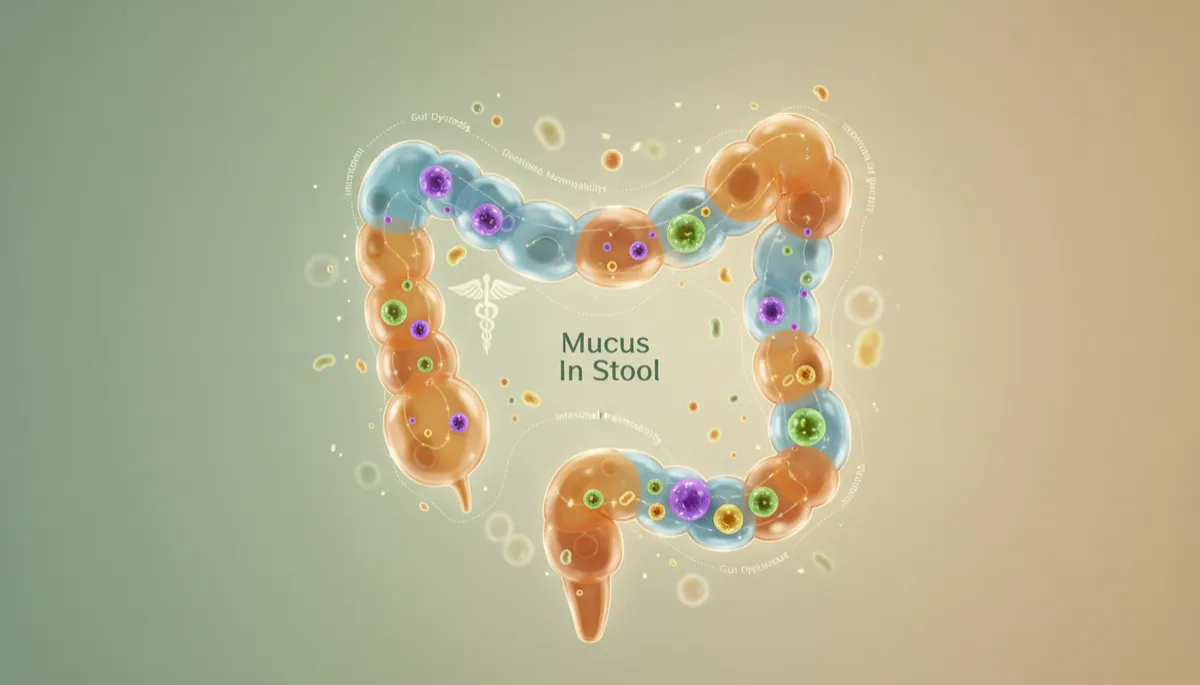
Understanding Mucus in Stool & Gut Health
Gut Health, Functional Medicine, Digestive Symptoms
Mucus In Stool: What It Really Means For Your Gut Health
Noticing mucus in your stool can be unsettling, and it’s totally normal to wonder if something is wrong with your gut. Let’s walk through what’s normal, what’s not, and how a functional medicine lens can help you get to the root of what your body is trying to tell you.
First Things First: What Is Mucus In Stool?
Your intestines naturally produce mucus. It’s a slippery, gel-like substance that lines and protects the inside of your digestive tract, helps stool move smoothly, and acts as a barrier between your gut lining and everything passing through. In tiny amounts, you usually don’t notice it at all.
Seeing a small, occasional bit of clear or slightly cloudy mucus on your stool or toilet paper can be completely normal, especially if you’ve had a bout of constipation or a mild stomach bug. Your gut may simply be producing a little extra lubrication to help things along.
Where we start paying closer attention is when you consistently see noticeable amounts of mucus in stool, or when it shows up alongside other symptoms like abdominal pain, blood, diarrhea, weight loss, or a big change in your usual bowel habits. That’s your cue that your gut health deserves a closer look.
How Gut Health Affects Mucus Production
Your gut isn’t just a food tube. It’s a complex ecosystem made up of your intestinal lining, immune cells, nerves, and trillions of microbes. When this ecosystem is in balance, mucus quietly does its job in the background. When something is off, mucus production can ramp up, change in texture, or become more visible in your stool.
Think of mucus as both a shield and a messenger. Your body may increase mucus to protect irritated tissue, dilute toxins, or respond to infections and food sensitivities. So while mucus itself isn’t the problem, it can be a sign that your gut is asking for support.
💡 Gentle reminder: Don’t panic if you notice mucus once or twice. Patterns over time, plus other symptoms, matter much more than a single bowel movement.
Intestinal Permeability: When Your Gut Barrier Gets Leaky
You’ve probably heard the term intestinal permeability, often called “leaky gut.” Your intestinal lining is only one cell thick, and it’s covered by a protective mucus layer. This barrier is meant to be selectively permeable: it lets nutrients in and keeps larger, potentially irritating particles out of your bloodstream.
When this barrier gets stressed—by chronic inflammation, infections, highly processed foods, ongoing stress, alcohol, or certain medications—it can become more permeable than it should be. The gut lining can get irritated, and your body may respond by producing more mucus to protect those delicate cells. In some people, this shows up as more visible mucus in stool, along with bloating, food sensitivities, or skin issues like rashes and acne.
From a functional medicine perspective, intestinal permeability isn’t just about your digestion. Because so much of your immune system lives in your gut, a leaky barrier can contribute to systemic inflammation, fatigue, brain fog, and even mood changes. In other words, mucus in stool can be a local sign of a broader, whole-body imbalance.
Gut Dysbiosis: When Your Microbes Are Out of Balance
Another big player in the mucus story is gut dysbiosis—an imbalance in the bacteria, yeasts, and other microbes that live in your intestines. Not all microbes are bad; in fact, many of them help maintain a healthy mucus layer, produce vitamins, and even communicate with your immune system. But when helpful species are crowded out by more aggressive ones, things can get messy.
Dysbiosis can be triggered by frequent antibiotics, a low-fiber diet high in sugar and processed foods, chronic stress, infections, or even lack of sleep. Some microbes actually feed on your mucus layer when they don’t get enough fiber, thinning that protective barrier. Others can irritate the gut lining, prompting your body to pump out extra mucus as a defense mechanism—which you might then see in your stool.
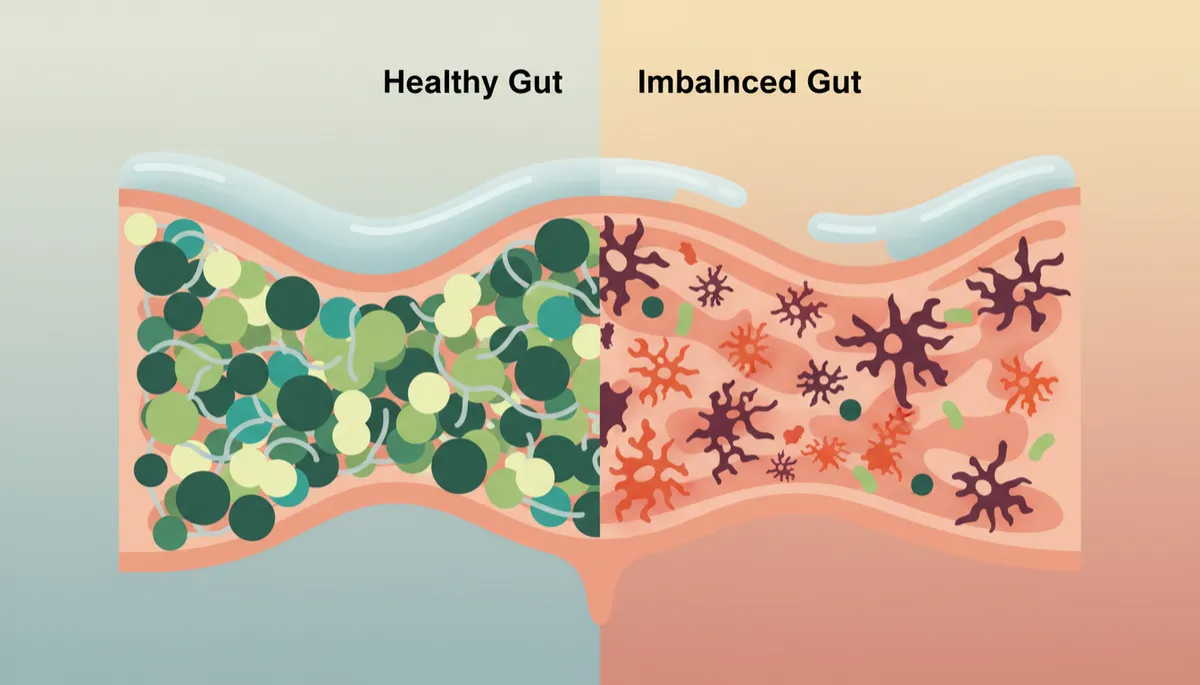
A balanced gut microbiome supports a healthy mucus layer and calmer digestion.
Symptoms of gut dysbiosis can include gas, bloating, loose stools or constipation, strong food cravings, and yes, changes in mucus in stool. It’s less about one single symptom and more about the overall pattern your body is showing you over weeks and months.
When Should You Be Concerned About Mucus In Stool?
While mucus alone isn’t always a red flag, there are certain times when you should reach out to a healthcare professional promptly. Pay particular attention if mucus shows up with:
Blood in the stool (bright red or dark, tarry stools)
Ongoing diarrhea or very watery stools lasting more than a few days
Unintentional weight loss or loss of appetite
Fever, severe cramps, or fatigue that doesn’t improve
A family history of inflammatory bowel disease or colon cancer
Conditions like irritable bowel syndrome (IBS), inflammatory bowel disease (Crohn’s disease, ulcerative colitis), infections, and even food intolerances can all be associated with mucus in stool. Getting proper medical evaluation is essential to rule out serious causes and get the right support for you.
⚠️ Important: This article is for educational purposes only and isn’t a substitute for personal medical advice. If you’re worried about your symptoms, please talk with your doctor or a qualified health professional.
How Functional Medicine Approaches Mucus In Stool
In functional medicine, the focus is on asking why your body is producing extra mucus, not just how to make it disappear. Instead of treating mucus in stool as an isolated symptom, a practitioner looks at your whole story: your diet, stress levels, sleep, environment, medical history, and even your birth and early life experiences that shaped your gut health.
Common tools in a functional medicine workup might include:
Comprehensive stool testing to look at gut bacteria, yeast, parasites, inflammation markers, and digestive capacity
Food sensitivity or elimination diets to identify triggers that might be irritating your gut lining
Nutrient testing to check for deficiencies that affect gut repair (like zinc, vitamin D, and omega-3 fats)
The goal is to support the gut so it can restore a healthy mucus layer, reduce intestinal permeability, rebalance the microbiome, and calm inflammation—so that symptoms like mucus in stool naturally settle down over time.
Practical Ways To Support Your Gut Health At Home
While you’re working with a healthcare professional—or even if you’re just starting to pay attention to your digestion—there are gentle, foundational steps you can take to support your gut every day. These aren’t quick fixes, but they can make a real difference over time.
Prioritize fiber-rich, whole foods. Aim for a variety of vegetables, fruits, beans, lentils, nuts, seeds, and whole grains (if tolerated). Fiber feeds your beneficial gut bacteria, which in turn help maintain a healthy mucus layer and reduce gut dysbiosis.
Include fermented foods, such as yogurt with live cultures, kefir, sauerkraut, kimchi, or kombucha, if they agree with you. These can gently support microbial diversity, an important part of overall gut health.
Stay well hydrated. Water helps keep stool soft and moving, so your body doesn’t have to overproduce mucus just to get things out.
Manage stress realistically. Your gut and brain are in constant conversation. Chronic stress can alter gut motility, increase intestinal permeability, and shift your microbiome. Simple practices like walking, deep breathing, or a short daily mindfulness routine can have a surprisingly big impact.
Go easy on alcohol and ultra-processed foods. These can irritate the gut lining, promote inflammation, and worsen gut dysbiosis, potentially leading to more mucus in stool over time.
💡 Pro Tip: Start with one or two small changes and build from there. Your gut responds best to consistent, sustainable shifts—not all-or-nothing overhauls that are impossible to maintain.
Putting It All Together: Listening To Your Gut Without Fear
Seeing mucus in stool can feel alarming, but it’s often your body’s way of starting a conversation, not sounding an emergency alarm. By paying attention to patterns, tuning into other symptoms, and gently supporting your gut health, you can use this sign as helpful information rather than a source of panic.
Remember, your mucus layer, your microbiome, and your intestinal permeability are all deeply interconnected. When one is off, the others feel it. A functional medicine approach looks at these connections and focuses on restoring balance instead of just chasing individual symptoms.
If you’re noticing ongoing mucus in stool—especially with other digestive changes—consider reaching out to a practitioner who understands gut dysbiosis, leaky gut, and whole-person care. With the right support, curiosity about your symptoms, and some practical lifestyle shifts, your gut can become more resilient, more comfortable, and a lot less mysterious over time.
